Forecourt After Dark: The Used-Car Faults a Torch Will Find
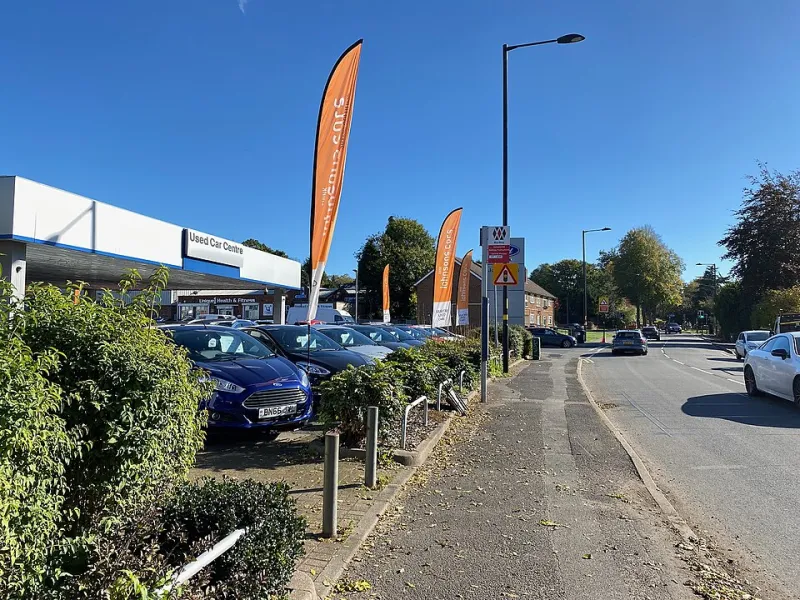
Photo: Robin Stott , CC BY-SA 2.0, via Wikimedia Commons
Most people view a used car at the weekend, mid-morning, in whatever light the sky happens to offer. Sensible. But by the second week of November it's dark before most of us leave work, and a lot of viewings now happen under forecourt lighting or a phone torch. Rather than treat that as a compromise, treat it as a second, different kind of inspection — one that picks up faults the daytime never shows you.
This isn't about spooky stories or finding a bargain in the shadows. It's about the handful of things a car only tells you after sunset, and how to arrange an evening viewing so it's genuinely useful rather than a rushed ten minutes before someone locks up.
Set the viewing up properly
Ring ahead. Most dealerships will happily do a slot at six or seven if you ask, and independent forecourts are often open later than their websites admit. Two requests are worth making: please don't warm the car before I arrive, and please leave it outside rather than tucked in a lit showroom. A cold engine and a cold cabin are the whole point.
For a private seller, meet somewhere public and well lit — a supermarket car park, a retail park, a garage forecourt. Take someone with you. Tell a third person where you're going. If a seller won't do an evening appointment, or gets twitchy about you bringing a torch and a mate, that's information in itself.
Bring a proper LED torch, not your phone. Phones are fine for reading a V5C and hopeless for inspecting a tyre sidewall. A cloth is useful, and so is a second pair of hands for the brake-light check.
Engine off: the torch lap
Start at the paint. Hold the torch at a low angle across each panel and look along the reflection rather than at the colour. Dents, filler, sanding marks and poorly masked edges jump out when light skims across them; in flat daylight they blend in. Check panel gaps on both sides — a door that sits differently on one side tells a story.
Then the lamps. A little misting that clears within ten minutes is normal on a damp November evening. Droplets running down the inside of the lens, or a headlamp that stays fogged while the one next to it clears, means the seal has gone. New LED and matrix units are not cheap.
Tyres next, because a torch beam finds what a glance doesn't: cuts in the sidewall, a bulge, kerbed alloys, and the four-digit date code on each tyre. Mismatched dates across an axle are worth a question. So is a set of four tyres all dated within a fortnight of each other on a car with 70,000 miles — that's a full set fitted to sell, which is fine, but check what else got skipped.
Open the bonnet and shine the torch down the back of the engine. Fresh weeping at the sump, staining around the rocker cover, crusty coolant residue at a hose joint — all easier to spot with a directable beam than with daylight bouncing off a silver engine cover. A bay that's been steam-cleaned the same afternoon may still be dripping; look at the ground underneath too.
Finally, the glass. Scratches, chips on the driver's side, and the arc-shaped smear marks where wipers have been dragging across a worn screen. That last one is a genuine night-driving hazard, and it's the sort of thing you only notice when an oncoming car's headlights hit it.
Ignition on, engine off: the self-test
Turn the key to the position just before start, or press the button without the brake pedal, and watch the instrument cluster. Every warning light should briefly illuminate, then go out. If the engine management light, ABS light or airbag light never appears at all, someone has been in there with a screwdriver and a small ambition.
While it's lit up, check the backlighting. Dead pixels, a dim patch across the speedo, a climate panel with half its buttons dark — these are cheap to ignore and annoying to live with. Do the same with the interior lights: open every door, the boot, the glovebox, and see whether each one triggers the door-open warning on the dash.
Then park facing a wall or a garage door about three or four metres away and put the headlights on. You should see a clean, stepped beam pattern with a defined cut-off, not a shapeless blob and definitely not one side much brighter than the other. Poor aim is an MOT failure and often a sign of a cheap replacement unit. Main beam, front fogs, indicators, hazards, reverse lights — all of them, with the torch confirming the ones you can't see from the driver's seat.
Cold start, in the dark
A cold start is more informative at night because you can see the exhaust. Ask for the first turn of the key yourself. Listen for a slow crank or a rattle, and watch the tailpipe in the torch beam — a puff of blue smoke that clears is one thing, a steady haze is another.
With it running, walk the car. Look for steam from the wrong place, listen for a blowing exhaust joint, and have your helper watch the headlights while you blip the throttle. Lights that dim noticeably at idle suggest a tired battery or alternator.
Locks, fobs and alarms
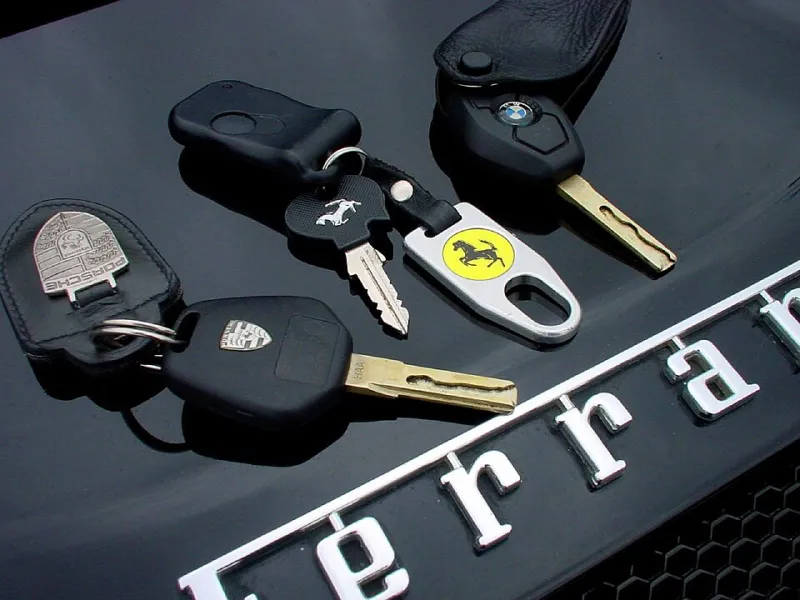
Lock it from ten metres away and watch the indicators flash. Then walk round and physically try every door and the boot — a rear door that doesn't lock is a job, and sometimes a pricey one. Check both fobs work, check the car starts with each, and check whether it flags a low fob battery.
Keyless cars deserve a specific check: stand a few metres away and see whether the car still unlocks. A fob that works from the other side of the street is a relay-theft concern, though a ten-pound Faraday pouch deals with it. Alarm-wise, arm it and confirm the indicators acknowledge; you don't need to set it off, but do ask whether the interior sensors can be disabled for pets.
The drive itself
Headlights on the move tell you about aim and glare. A damp road plus oncoming traffic is the best windscreen test there is — if the screen smears into a starburst, budget for new wipers and possibly a screen. Check the dash for reflections in the windscreen at night, try the demist (a November screen fogs fast, and a weak blower or clogged pollen filter will show), and have a look at the reversing camera and sensors in genuine darkness.
Then stop somewhere unlit and do the torch lap again. Ten minutes, no rush.
Don't sign on the night
An evening viewing is a second opinion, not the whole opinion. Come back in daylight, see the paint in flat light, and start it cold again. If the car survives both, you've almost certainly found a good one.
We'll book evening viewings at Hyde Motors without a fuss — bring the torch, bring a mate, and take your time.