Count the Fobs Before You Commit: A Used-Car Key Audit
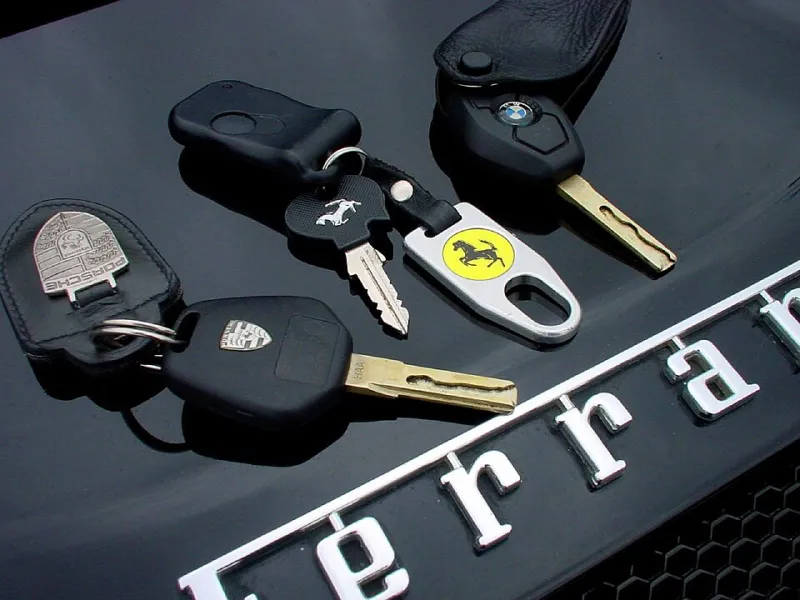
Photo: chen chin (ducktail964) from taipei, taiwan, CC BY 2.0, via Wikimedia Commons
Most buyers spend twenty minutes kicking tyres and four seconds glancing at the keys. That is backwards. A used car with one tired fob is not automatically a bad buy, but it is a cost you can see coming. And if the key situation is messy, it tells you something about how the rest of the car has been treated.
This is not about being paranoid. It is about counting what is in the tray before you agree a price.
Why so many used cars turn up with one key
Life happens. A fob goes through the washing machine, gets left in a hire car, falls out of a pocket on a dog walk, or simply vanishes in a house move. Sometimes the second key was never handed over when the car was part-exchanged. Sometimes a trader buys a car at auction with whatever keys came with it and does not want to spend £200 sorting out a spare before retail.
There is also the lease and company-car factor. Fleet cars often go back with one key and a vague apology. By the time the car reaches a forecourt three owners later, the missing fob has become a footnote.
None of that makes the car unsound. It does mean you should price the problem rather than ignore it.
Start with the obvious question — then check
Ask the seller how many keys come with the car. Then ask to see them all. Not a photo. Not a promise that the second one is in the office. Actually hold every key, fob and blade in your hand.
A complete set usually means two keys. Some cars came with one main key and one valet key from new, so check the handbook if you are unsure. On keyless cars, two smart fobs is the normal expectation. If a dealer tells you the car only ever had one key, be polite but sceptical — especially on a relatively young model.
Look at the fobs themselves. Do they match? Is one a cheap aftermarket shell with a blank badge? Is the blade worn differently from the other? Mismatched keys are not a deal-breaker, but they are a clue that someone has been replacing things on a budget.
The five-minute test that catches most problems
Do not just jingle the keys and hand them back. Run each one through the same routine.
- Unlock the car from outside. Stand a few metres away and press the button. Try the boot release too. On older cars, check the physical blade opens the driver's door.
- Put the key in the ignition or slot. For keyless cars, press the start button with the fob present. Make sure the dash lights up and the engine starts without a struggle.
- Lock the car again. Walk away and listen for the clunk. Try the door handle to confirm it is actually locked.
- Check the remote buttons. Lock, unlock, boot and panic — all of them if fitted. A fob that only works when held against the windscreen is a fob with a flat battery or a failing circuit board.
- Repeat with the second key. This is the step people skip. If the spare has been sitting in a drawer for three years, its battery may be dead. That is cheap to fix. A spare that will not start the car is a different conversation.
If a key fails, do not accept a vague promise that it just needs a battery. It might. It might also need coding, and coding is where the real money starts.
What replacement actually costs in the UK
Prices vary by model, age and whether you use a main dealer, an independent garage or a mobile auto locksmith. Treat these as ballpark figures for 2026, not a quote.
A simple transponder key for something like a Ford Fiesta, Vauxhall Corsa or older Toyota Yaris might cost £80 to £180 cut and programmed at an independent specialist. A remote central-locking fob pushes that towards £150 to £250. Main dealers often charge more, sometimes considerably more, because they sell the key and the programming time separately.
Keyless smart fobs are the expensive end. A Volkswagen Golf, Nissan Qashqai or BMW 3 Series fob can run from £200 to £450 or beyond, depending on whether the key needs ordering from the manufacturer and whether the car needs a security update. Some German models need online coding, which limits who can do the job.
Korean and Japanese brands are often friendlier on price, but not always. A Kia or Hyundai smart key might be £180 to £300 supplied and programmed. A Toyota/Lexus fob can be similar. The lesson is simple: the more electronic the key, the more you should care about getting two.
What a missing key says about security
A lost key is not automatically a security disaster. The chance of a previous keeper tracking down your car and using it is low, but it is not zero. If the car is keyless, ask whether the lost key can be deleted from the car's system. Many modern cars can have a missing fob disabled so it no longer starts the vehicle. That is worth doing if you buy privately and only get one key.
Check for signs of poor key security. Is there a steering lock on a car that should not need one? Has the OBD port cover been snapped off? Are there scuff marks around the ignition barrel or key slot? Does the car have an aftermarket alarm fob taped to the dashboard? These are not automatic red flags, but they suggest a history you should ask about.
Also check the V5C. The number of previous keepers is not a key count, but a car that has changed hands quickly can be a car with a muddled key history.
How to use it in the negotiation
Do not march in demanding £400 off because there is one key. That is not how it works. Get a written quote from a local auto locksmith or main dealer for a replacement key for that specific model, then use the number as a sensible deduction.
A missing spare on a £4,000 hatchback might be a £150 conversation. On a £20,000 keyless SUV, it could be a £400 conversation. Either way, it is fair to say: I like the car, but I will need a second key. Can we meet at the cost of sorting one?
If the seller agrees to supply a second key, get it in writing before you pay. A promise to sort it next week is not the same as two working fobs in your hand. If they will not budge, at least you know the true cost before you commit.
The bottom line
A used car with one key is not a write-off. It is a known cost. Count the fobs, test every button, ask about the missing one, and get a real quote before you shake hands. That way the only surprise after you drive away is how much you like the car — not a locksmith bill you did not see coming.