The First Month Matters Most: Handling an Early Used-Car Fault Without a Falling-Out
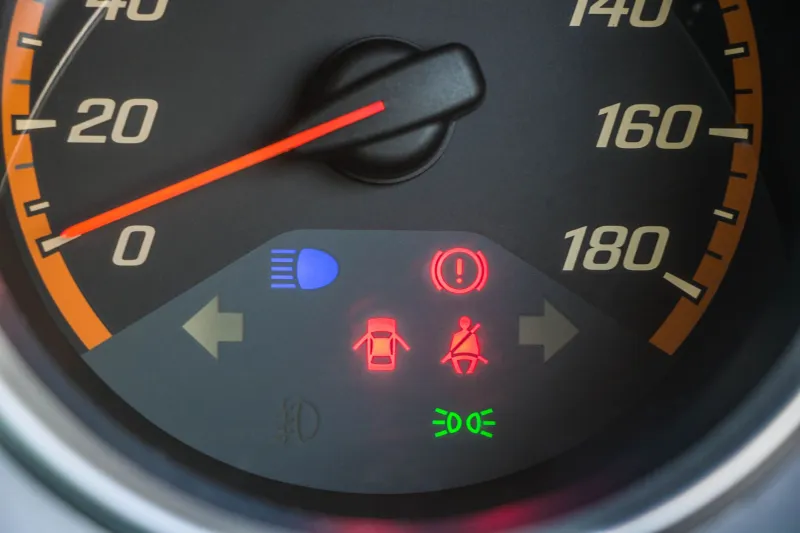
Buying a used car should feel like a fresh start. Then, ten miles later, a warning light appears and the relationship gets off to a rocky beginning. At Hyde Motors we have seen both sides of this conversation: buyers worried they have been sold a dud, and dealers who genuinely want to put things right. The good news is that UK consumer law gives you a clear framework for the first 30 days, and a calm, documented approach usually gets a better result than a blazing row on the forecourt.
What the first 30 days actually give you
Under the Consumer Rights Act 2015, goods sold by a trader must be of satisfactory quality, fit for purpose and as described. If your used car fails on any of those points, you have a short-term right to reject it within 30 days of taking delivery. That does not mean every squeak or worn wiper blade is a rejection issue. It means a fault that makes the car not what a reasonable person would expect, given its age, mileage and price.
The 30 days starts when you receive the car, not when you first saw the advert. If you bought it on finance, the finance company is usually the one legally responsible, though the dealer will often handle the practical side.
Repair, replacement or refund: what to ask for
The short-term right to reject is about a refund. You can also ask the dealer to repair or replace the car. A sensible first step is often a repair, especially if the fault is minor and the car otherwise suits you. But you are not obliged to accept a repair if the problem is serious and you have lost confidence in the vehicle.
If you do agree to a repair, get the plan in writing: what will be fixed, when, and what happens if it recurs. Keep the 30-day window in mind. If the dealer has the car for a repair, the clock can be paused, but do not rely on memory. Put dates in an email. If the same fault comes back, or a new one appears that points to the same underlying issue, you can revisit rejection.
After 30 days, the rules change. You move into the six-month period where the burden of proof is generally on the trader to show the fault was not there at sale. Beyond six months, you would need to show the fault was present when you bought it. That is why the first month is the time to be organised, not the time to wait and see.
Keep the paper trail simple
You do not need a solicitor to raise a used-car fault. You do need a clear record. Start with a short email or message to the dealer: date, time, mileage, the warning light or symptom, and what you would like them to do. Attach photos, a dashcam clip if you have one, and any diagnostic readout. If a garage has scanned the car, keep the fault codes.
Do not clear the codes before the dealer sees them. Do not book a repair with a third party without agreeing it first, unless the car is unsafe or the dealer is uncontactable. And if the car is unsafe, for example a brake warning, overheating or a serious steering fault, stop driving and get it recovered. Safety comes before procedure.
Also keep the advert, the invoice, the finance agreement and any pre-purchase messages. If the advert said full service history and the book tells a different story, that is evidence. If you were told the light was just a sensor, write that down while you remember it.
How to have the conversation
Be direct, specific and boring. Say something like: the engine management light came on at 42,180 miles, ten miles after collection. The car is now with you. I would like it diagnosed and repaired, and I would like confirmation in writing of what caused it. That is much easier to act on than a paragraph about how disappointed you are.
Ask for a timeline. Ask who is paying for the diagnostic if the fault is covered. Ask whether the car is safe to drive in the meantime. If you need the car for work, say so. A good dealer will talk about a courtesy car or a sensible collection arrangement. At Hyde Motors, we would rather have an awkward conversation on day two than an angry one on day twenty-nine.
If the dealer refuses to engage, put your request in writing and set a reasonable deadline. Often seven days is enough for a response. Keep copies. If it is still stuck, Citizens Advice can point you to the right route, and firms signed up to The Motor Ombudsman have a formal complaints process. For finance purchases, contact the lender too.
What a good dealer should do
A trustworthy dealer will not treat a warranty claim as a personal insult. They should acknowledge your message, book the car in promptly, explain what they have found and give you a realistic timescale. If they sold you the car, they should have the paperwork to show what was checked before sale. If a fault slips through, the test is how they handle it.
That does not mean every buyer gets a brand-new car or a full refund for a worn clutch. Reasonableness runs both ways. A 2014 hatchback with 110,000 miles will have wear items. A 2021 car with 20,000 miles should feel different. The law uses the same common-sense yardstick, and so should the conversation.
The short version
Report early, in writing. Keep the car safe and keep the evidence. Be clear whether you want a repair, a replacement or a refund. Give the dealer a fair chance to put it right, but do not let the 30-day window drift. And remember: a warning light is not a verdict on your judgment. It is a problem to solve, and the first month is when you have the most leverage to solve it calmly.