Before You Pay to Hold That Used Car, Read the Small Print

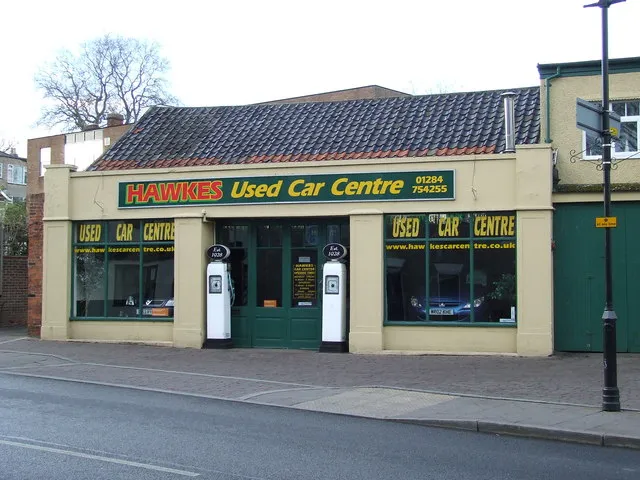
Photo: Philip Jeffrey , CC BY-SA 2.0, via Wikimedia Commons
You are standing on a forecourt at 5:55pm. The car you like is taxed, priced and has a queue of imaginary buyers in your head. The salesperson says a £200 holding deposit will take it off sale until Saturday. Is that £200 a clever move or a donation? It depends entirely on what is written down.
At Hyde Motors, the boring answer is usually the right one: a holding deposit should come with a receipt and a clear refund rule. Not a nod, not a thumbs-up, not a promise that the manager will sort it out. Written terms.
What a holding deposit is, and what it is not
A holding deposit is a reservation payment. It is meant to buy you time and take the car off the market while you arrange insurance, finance, a part-exchange valuation or a pre-purchase inspection. That is it. It does not transfer ownership, guarantee finance approval or lock the price forever unless the paperwork says so.
It is also not automatically the same thing as a deposit under a signed purchase contract. If you have signed an order form and paid money as part payment, you are in contract territory. If you have paid £200 to pause the sale before deciding, that is a holding deposit. The two get muddled all the time, usually when someone wants their money back.
So ask the dull questions before your card comes out. What exactly is being held? Get the registration, VIN, mileage, asking price and any agreed part-exchange figure on the receipt. What conditions make the deposit refundable? What is the deadline? Who is holding the money? How and when will it be returned if the deal does not happen?
The phrase that needs translating
You will hear 'subject to viewing' a lot. It sounds reassuring. It can mean the dealer accepts the car is not sold until you have seen it and are happy. But it can also be used loosely. Does it mean refundable if you view the car and simply do not like the colour? Or only if the car is not as described? Those are very different promises.
Get the dealer to write the answer on the receipt. Something like: '£200 holding deposit for [registration]. Refundable in full if the buyer views the car and chooses not to proceed, if the vehicle is not as described, if finance is not approved, or if the agreed part-exchange valuation changes.' If they will not put that in writing, you have learned something useful before you have paid.
Forecourt holds and online reservations are different animals
If you pay a holding deposit in person and then buy the car on the forecourt, there is no automatic 14-day cooling-off period for the purchase itself. Used car sales between a trader and a consumer are governed by the Consumer Rights Act 2015, but that is about the quality of the goods, not a general right to change your mind. The deposit terms and any signed contract matter.
Online or telephone reservations are murkier. If you pay remotely and the contract is formed at a distance, the Consumer Contracts Regulations 2013 can give you a 14-day cancellation right from delivery. That can affect deposits paid remotely. But the picture changes if you reserve online, then view and sign up at the dealership. You need to know which agreement you are actually in. Ask the dealer to confirm the cancellation position in writing, especially if you are paying before seeing the car.
If the car fails your inspection
This is where deposits should be simple. If you pay to hold a car, then an independent inspection finds faults that were not disclosed, the deposit should come back. If the advert said 'excellent condition' and the sills look like a shipwreck, that is not a minor misunderstanding. Keep a screenshot of the advert. Keep the messages. Ask for the refund in writing.
The Consumer Protection from Unfair Trading Regulations 2008 can bite if a trader misleads you about a vehicle. But do not rely on winning an argument after the event. Put the refund condition on the receipt before you pay. If the dealer refuses to make a deposit refundable when the car is not as described, walk away. There are other cars.
If you simply change your mind after viewing, the position depends on the terms you agreed. A blanket 'non-refundable' label is not automatically the end of the story, but arguing fairness later is far harder than agreeing clear terms first. This is practical guidance, not legal advice. If a large sum is involved, get proper advice.
When the paperwork changes
The deal should not quietly move under your feet. If the price goes up, the part-exchange valuation drops, the finance rate changes or the specification is not what was advertised, you are entitled to ask what happened. If the dealer cannot deliver the deal you reserved, ask for the deposit back. If you agree to new terms, get a new receipt showing them.
If the dealer sells the car to someone else while holding your deposit, that is a refund situation, full stop. A reservation that does not reserve anything is just a loan to the dealer.
How to protect yourself
Pay by card rather than cash. Get a receipt that names the car, the amount, the date, the refund conditions and the deadline. Ask for the words 'holding deposit' to be used, not 'admin fee' or 'reservation charge' if it is meant to be refundable. Keep screenshots of the advert and any messages about the car's condition.
And if the salesperson pressures you with another buyer who is 'on the way', remember that a good car will usually still be there after a proper conversation. A good dealer should be boringly clear about deposit terms. We would rather explain them at the desk than argue about them on Monday.
A £200 holding deposit can be a useful pause button. But it only buys what is written down. If the terms are vague, the safest move is to keep your card in your pocket and keep looking.